
Robotic-assisted hip replacement
A worn hip, replaced with robotic assistance, so walking and sitting can become ordinary again.
- Often about 1–2 hours.
- Spinal, epidural or general, decided with the anaesthesia team.
- Often a short hospital stay. The exact nights are planned for you.
- Walking with support is the early goal. Full confidence takes months.
What is it?
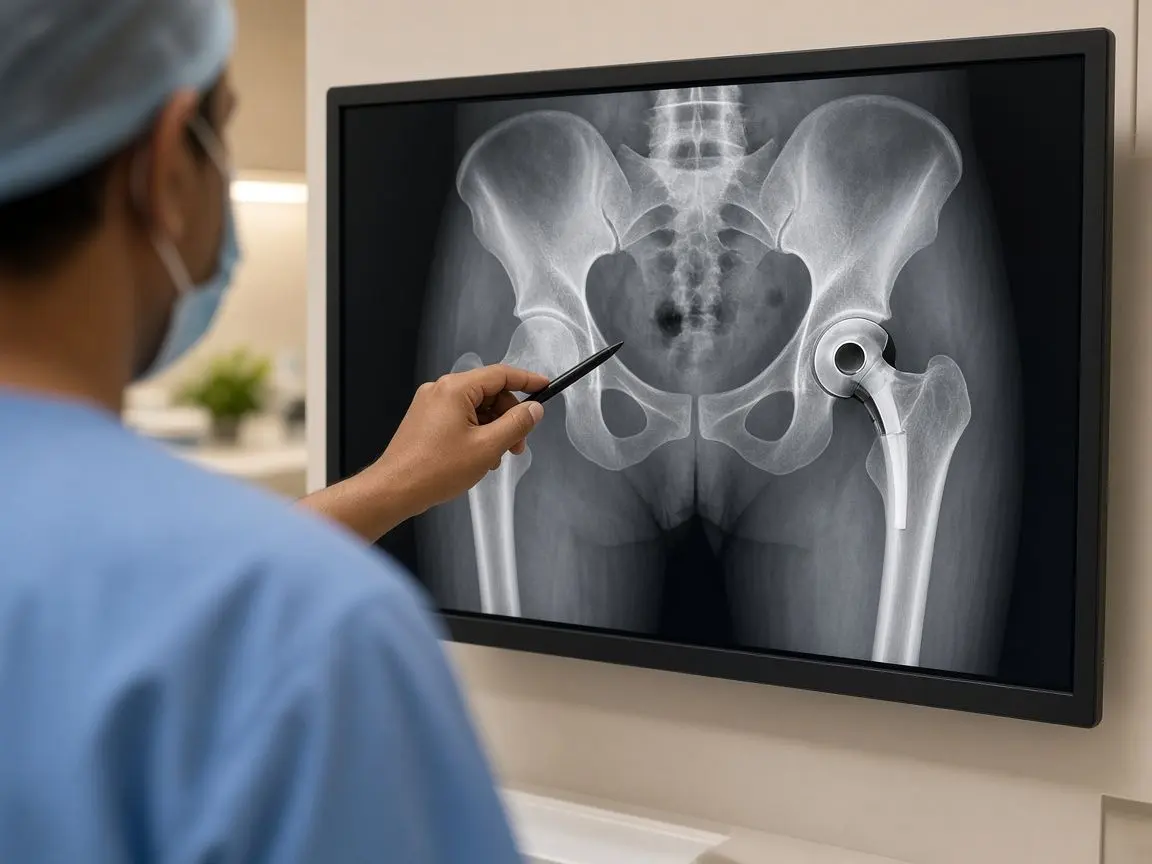
A hip replacement swaps the worn ball and socket for an implant. Robotic assistance with the Mako system is used for planning and for preparing the bone.
Symptoms, causes, who it may help
Symptoms
- Groin or thigh pain on walking.
- Trouble putting on socks, getting out of a chair, or lying on that side.
- A limp that walking aids only partly hide.
Causes
- Osteoarthritis is the common reason.
- Avascular necrosis, old injury, or childhood hip disease are other reasons the doctor will look for.
Who it may help
- People with hip pain and X-ray wear who are not coping despite proper non-surgical care.
How it is assessed
- exam
- Gait, range, and a check of the spine and knee so the pain is truly from the hip.
- xray
- Pelvis and hip X-rays in the clinic when needed.
- mri
- Used when the X-ray is mild but the story suggests another hip problem.
- clinic
- The hip model in the consultation room is used to show the ball and socket.
Treatment options
| Option | Without surgery | With surgery |
|---|---|---|
| A stick in the opposite hand, pain relief, and hip strength. | Not an operation. | |
| Reasonable while walking is still acceptable to you. | ||
| Offered when those measures are not enough. | Ball and socket are replaced. Robotic assistance supports planning and bone preparation. | |
The procedure, step by step
- 01
Plan the socket and the stem
X-rays set the size and the angle targets.
- 02
Prepare the bone
The socket and the thigh canal are prepared to the plan, with robotic guidance.
- 03
Trial and final implant
Leg length and stability are checked before the final parts are seated.
- 04
Walk
A walking plan starts in hospital and continues with physiotherapy.
How robotic assistance helps
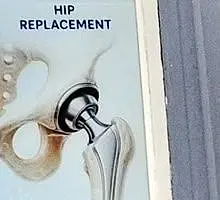
3D planning
Cup angle, stem size and leg length are planned before the incision.
Assisted bone preparation
Guidance keeps the preparation inside the plan.
Precise implant placement
The cup and stem are placed to the plan and the hip is taken through a range to test stability.
Recovery roadmap
You can: Sit up and, for most people, stand with help.
Avoid: Twisting the operated leg. Walking without the aid you were given.
Do, do not, and when to call
Do
- Follow the hip precautions you are given on discharge.
- Walk a little and often.
Do not
- Do not bend, cross the legs, or twist in ways you were told to avoid. The exact rules depend on the approach.
- Do not drive until you can brake safely and you have been cleared.
Call the clinic
- Fever, a wound that opens, or pus.
- Calf pain and swelling, chest pain, or sudden breathlessness.
- A leg or arm that becomes numb, cold, or impossible to move.
- Pain that is far beyond the plan you were given.
Risks and honest expectations
- Infection, bleeding, clots, stiffness, and anaesthesia reactions are possible with any operation.
- A good result still needs physiotherapy. The operation is one part of the recovery.
- Dislocation, leg-length difference, and limp are specific hip risks that are discussed before surgery.
Most of the gain is less groin pain and a more useful walk. Athletics and sitting on the floor are separate questions.
See it
Questions
Robotic-assisted hip replacement is offered. Whether it is the right plan for you is decided in clinic.